

4 Fascinating Weaving Secrets of Authentic Gadwal Sarees
A Masterful Symphony of Cotton and Silk
India’s vast, historically rich handloom sector is a magnificent, endless treasure trove of regional specialties, diverse techniques, and cultural expressions. However, very few traditional weaves offer the sheer, undeniable ingenuity, complex engineering, and highly practical everyday elegance of authentic Gadwal Sarees.
Born centuries ago in the arid, sun-baked, and notoriously hot landscapes of the Telangana region, this particular, unique weave was historically created out of pure, urgent necessity. The local women desperately needed highly durable garments that were exceptionally breathable enough to comfortably withstand the scorching, unforgiving summer heat, yet visually grand and culturally significant enough to wear to highly sacred temples, royal courts, and important religious festivals.
While pure, heavy Gadwal Silk Sarees are highly coveted for modern, grand weddings today, the classic, original varieties remain the true, beating, historical heart of this ancient craft. Let us pull back the curtain and deeply uncover the 4 fascinating, closely guarded secrets behind the masterful, incredibly difficult creation of authentic Gadwal Sarees.
1. The Brilliant, Highly Practical Hybrid Construction
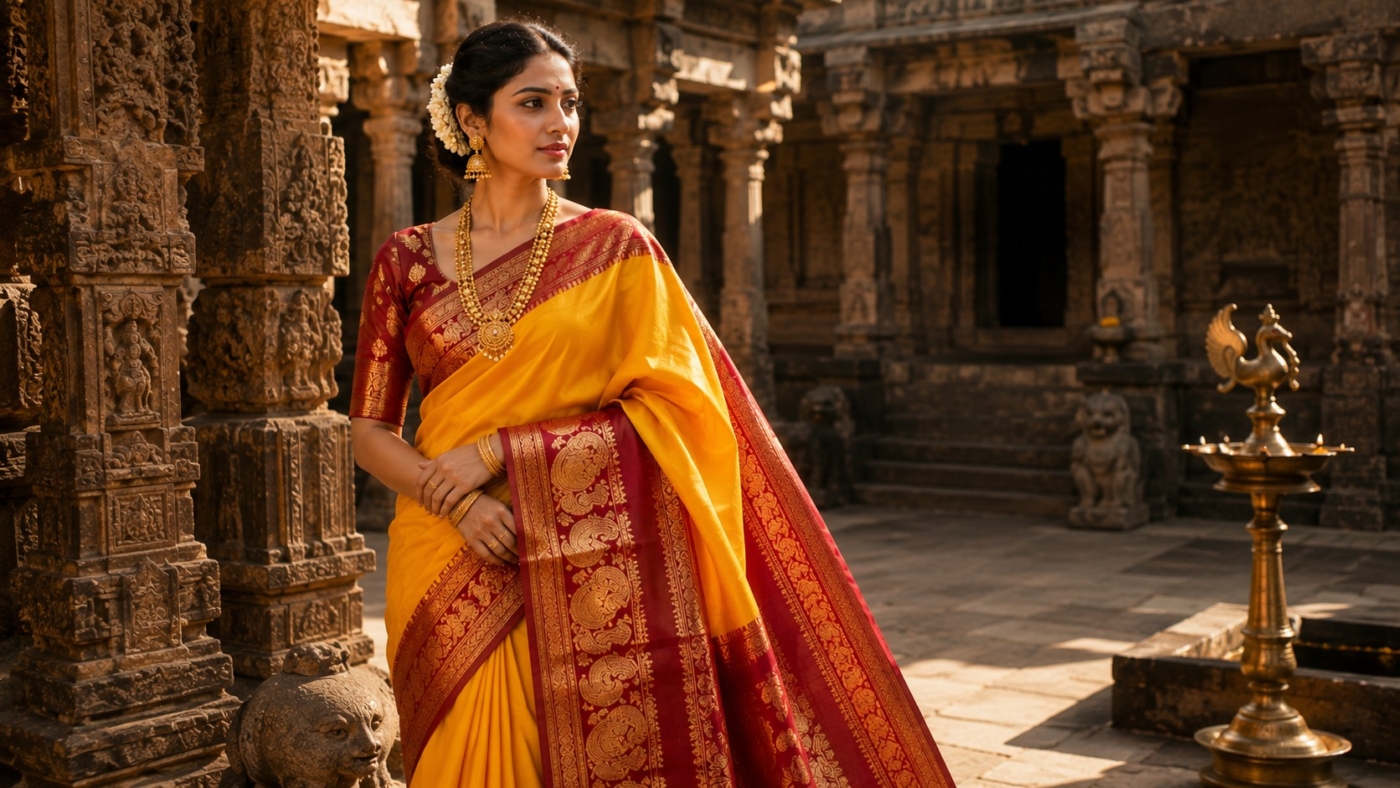
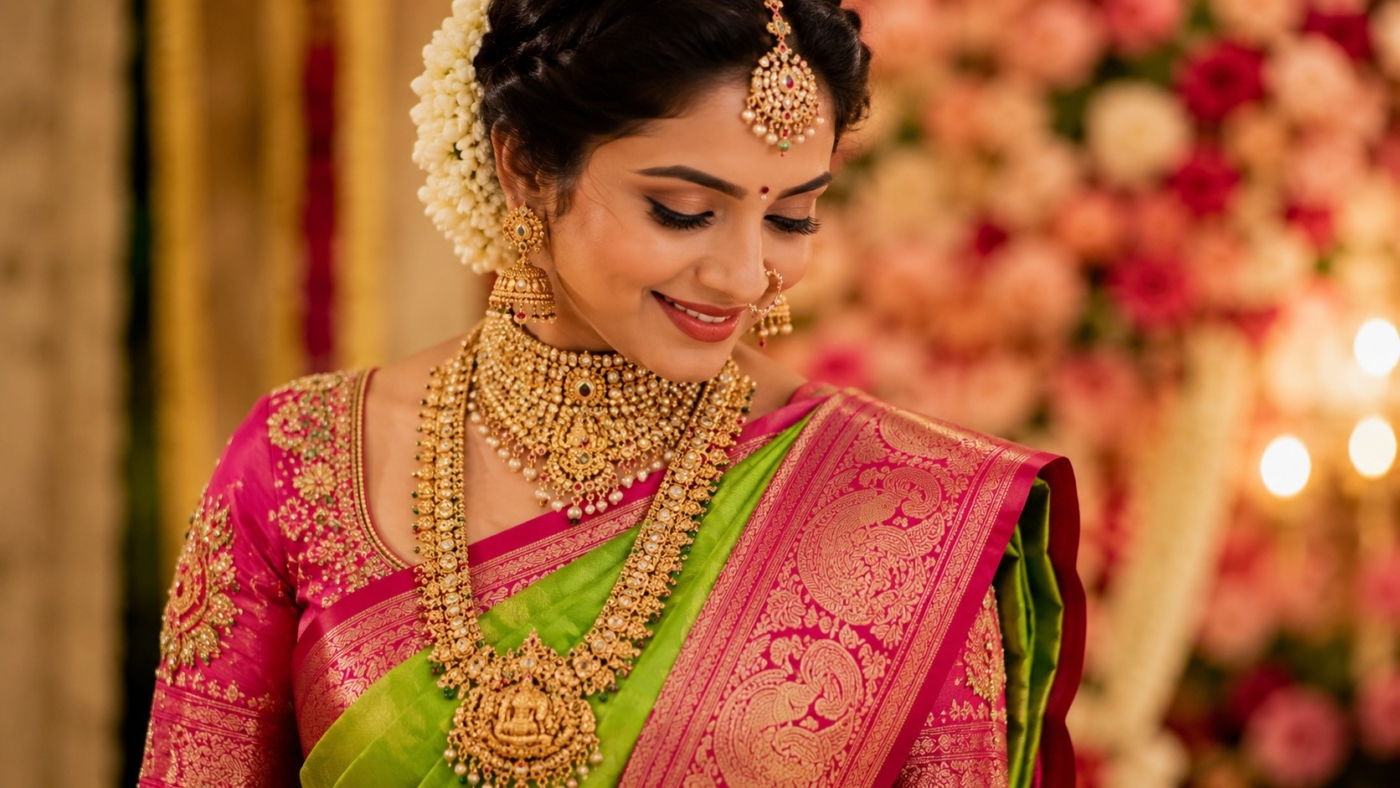
The absolute original and most deeply ingenious secret of classic Gadwal Sarees is their highly clever, deeply practical hybrid construction. Traditionally, these specific garments do not rely on just one type of yarn. Instead, they beautifully feature a highly breezy, exceptionally fine pure cotton body that is meticulously and seamlessly attached to highly rich, lustrous, and heavy pure silk borders, culminating in a magnificent, heavy silk pallu.
This brilliant, highly innovative textile design beautifully provides the everyday wearer with the intense visual grandeur and royal aesthetic of fully traditional, heavy Silk Sarees while wonderfully and practically maintaining the crucial cooling, highly comfortable breathability of natural cotton directly against the skin. It is truly the absolute best of both textile worlds, making it a masterpiece of functional fashion.
2. The Highly Complex Kuttu Interlocking Technique
The absolute defining, most fascinating technical feature that distinctly and proudly sets Gadwal Sarees far apart from almost all other Indian handlooms is the legendary Kuttu (or Kuppadam) interlocking technique.
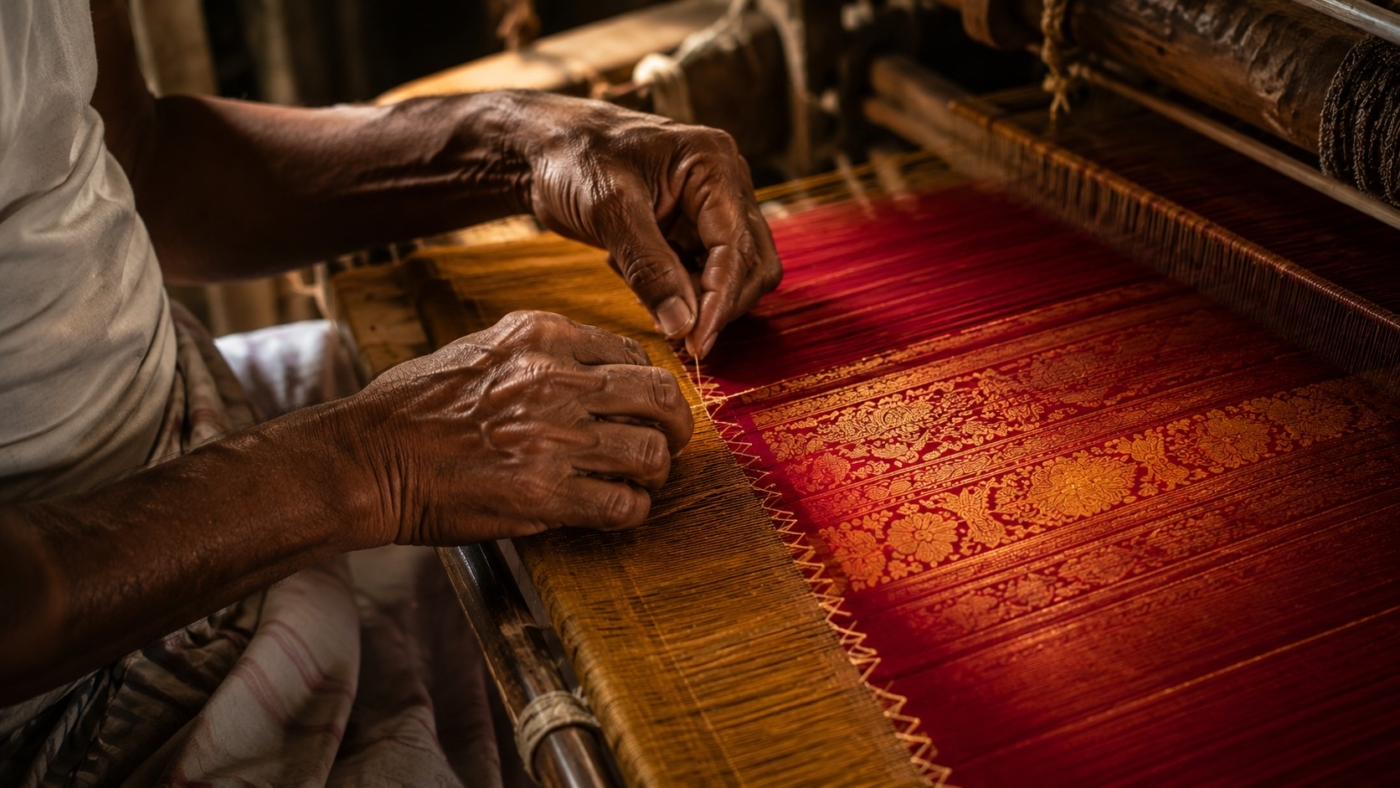
Unlike standard, simple, and fast weaving techniques where the long warp threads run continuously and uninterrupted from one end of the loom directly to the other, the highly trained, master weavers of this region must manage three entirely distinct, completely separate sets of threads simultaneously.
They must painstakingly, slowly, and highly accurately interlock the thick, heavy pure silk border threads directly with the much finer, highly delicate cotton or silk body threads directly on the traditional pit loom, entirely by hand. This process cannot be rushed. It requires immense patience, decades of generational skill, and a deep understanding of yarn tension, as a single mistake can ruin days of painstaking work.
3. The Hidden, Undeniable Reverse Zigzag Stitch
Because of the highly intricate, manual Kuttu interlocking technique, there is a completely foolproof, deeply fascinating way for buyers to properly and confidently identify truly authentic, handwoven Gadwal Sarees.
If you take a moment to look very closely at the reverse side of the woven fabric, right at the exact specific point where the plain main body abruptly and sharply meets the highly decorated border, you will clearly and undeniably see a slightly uneven, handmade, zigzag stitching line.
This specific, highly unique jagged line is the absolute physical, undeniable evidence of the slow, deliberate hand-interlocking process. It is the direct fingerprint of the weaver—something that incredibly fast, highly precise modern power looms simply cannot flawlessly or authentically replicate.
4. The Revolutionary, Modern Sico Evolution
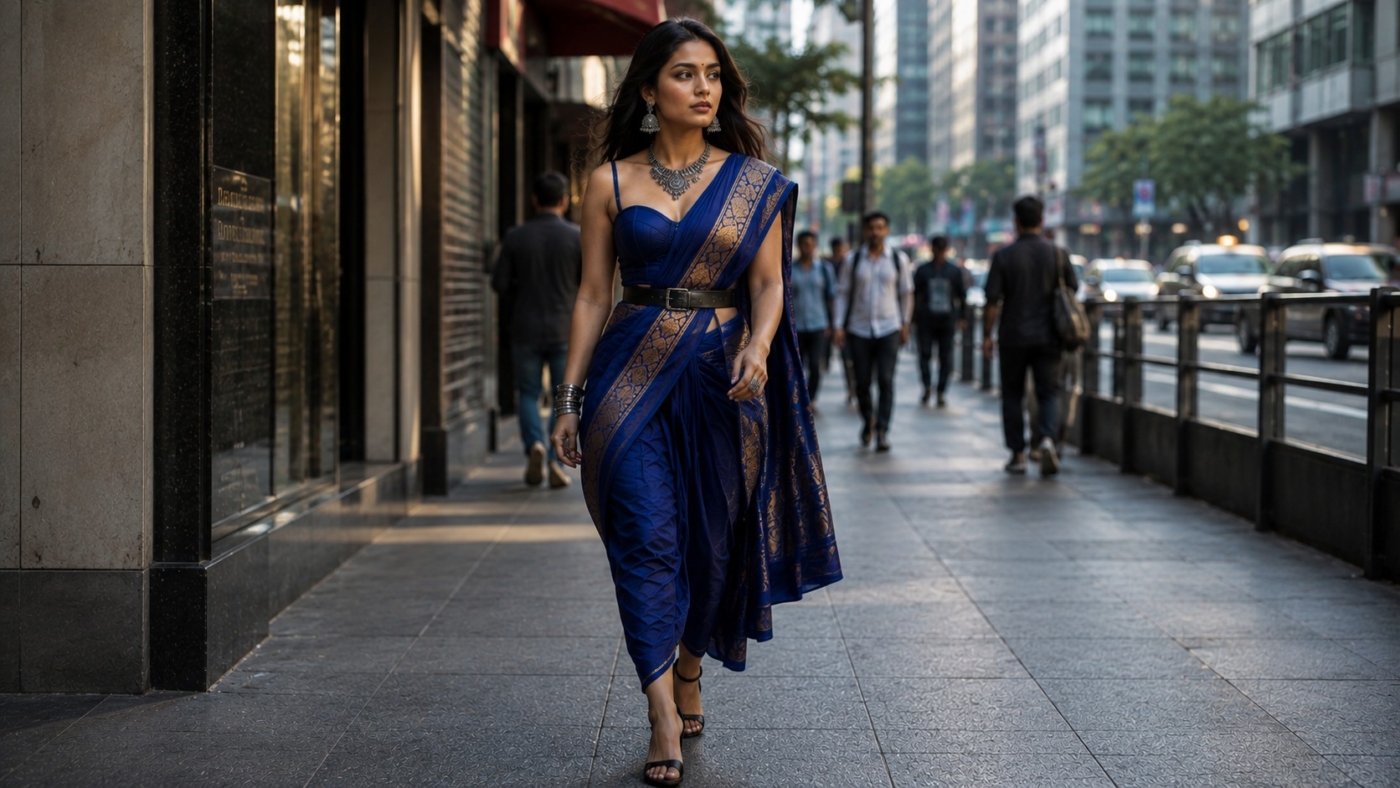
In recent decades, this ancient weaving secret has fascinatingly and highly successfully evolved into the highly popular, modern “Sico” Gadwal variant. In these modern, highly sought-after Gadwal Sarees, the main body of the drape is not made of pure, highly crinkly cotton, but rather a very careful, highly engineered blend of both cotton and silk yarns (lovingly abbreviated as Si-Co).
This highly innovative, modern technique brilliantly gives the main fabric a highly subtle, incredibly beautiful natural sheen that perfectly mimics the look of much more expensive, pure Gadwal Silk Sarees, while securely retaining the highly desirable, breathable structure and comforting feel of cotton. Sico variants have rapidly become incredibly popular for modern women who want highly luxurious aesthetics paired with much easier, stress-free maintenance for regular office wear or casual outings.
The True Cost of Artistry
When you consider the staggering amount of effort involved, buying authentic Gadwal Sarees directly and deeply positively impacts the livelihood and survival of generational weavers in Telangana. It takes a highly dedicated, skilled family of artisans several long, grueling days to painstakingly prepare the wooden loom, naturally dye the raw yarns, set the intricate patterns, and slowly weave a single, beautiful piece.
When you choose to wear these magnificent, deeply historical creations, you are actively supporting a fascinating, incredibly important cultural heritage that risks being lost to fast fashion.
Frequently Asked Questions (FAQs)
Q1: Are the original cotton-silk Gadwal sarees difficult to iron?
A: Due to the high-quality cotton body, they do require a good starch and a hot steam iron to look their crisp best. However, the Sico (cotton-silk blend) variants require significantly less maintenance and naturally resist deep wrinkling.
Q2: How do the weavers achieve such vibrant border colors?
A: Authentic weavers still rely heavily on high-quality, deeply saturated dyes. The silk yarns used for the borders absorb color much more deeply and vibrantly than cotton, which is why the borders always look so incredibly rich and striking.
Q3: Why are these sarees considered a sustainable fashion choice?
A: Handloom weaving requires zero electricity, utilizes natural and eco-friendly fibers, and supports ethical, fair-trade labor practices within rural artisan communities, making it the absolute antithesis of highly polluting fast fashion.